Roussel-Trianon’s architectural heritage

Roussel-Trianon’s remains have more than three centuries of history to tell. Every building, material, and architectural detail bears witness to the craftsmanship of its builders.

Reading the stones, understanding the site

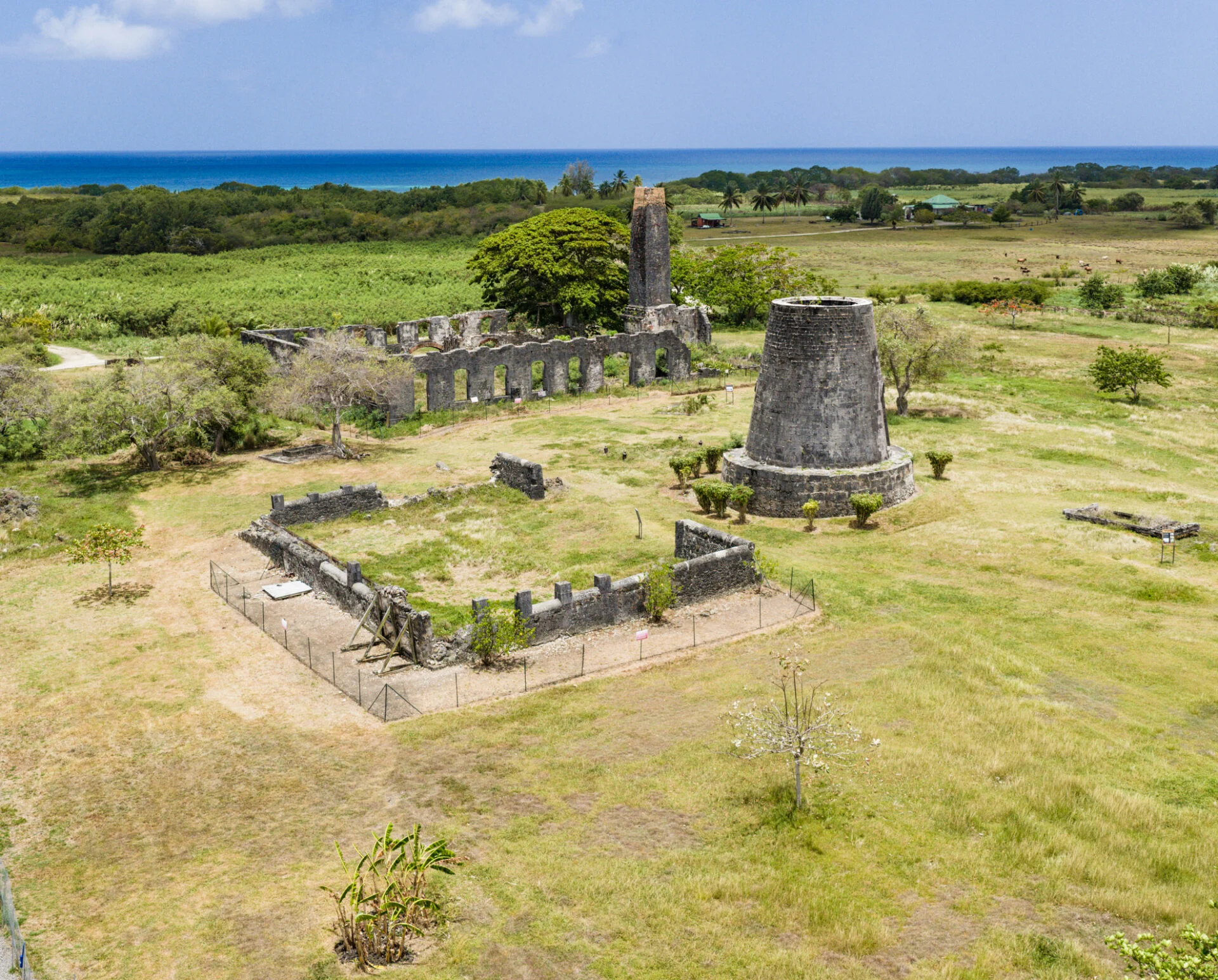
Three major structures still shape the estate’s silhouette today.

The mill

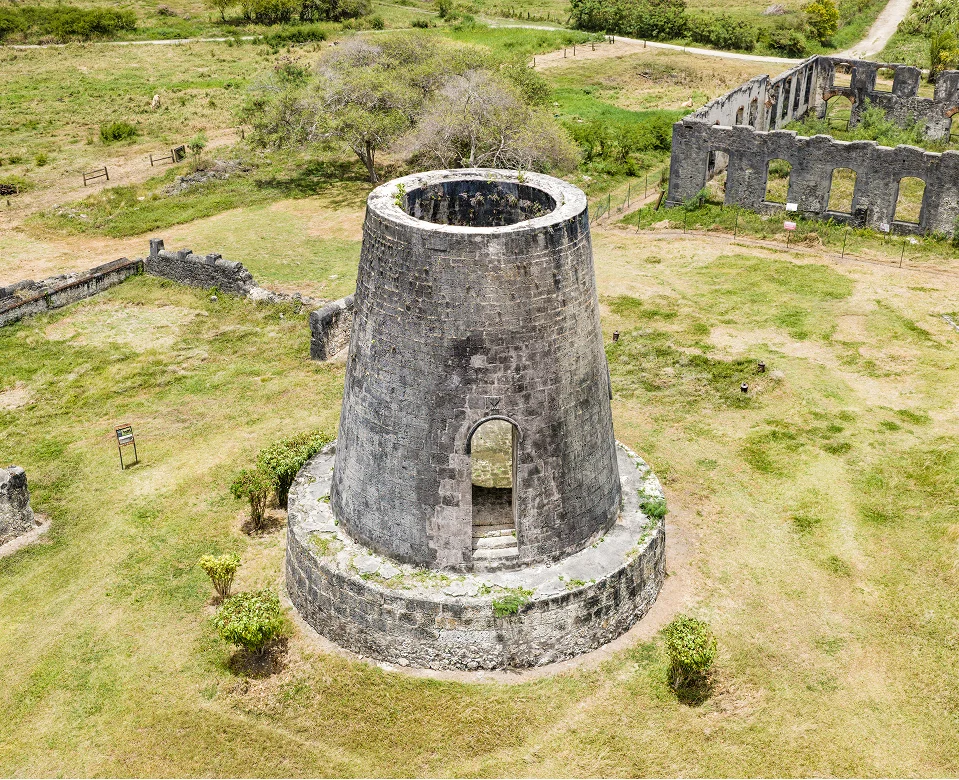
Built around 1800, the windmill still overlooks the estate today. Formerly used to crush sugarcane, it is one of the oldest and most remarkable mills on the island.

Did you know?

Its cut-stone base is adorned with carved motifs, a particularly rare decorative feature for this type of structure.

The square chimney

Visible from afar, the chimney made of brick and cut stone symbolizes the arrival of steam power and Roussel-Trianon’s entry into the Industrial Era.

The former stable

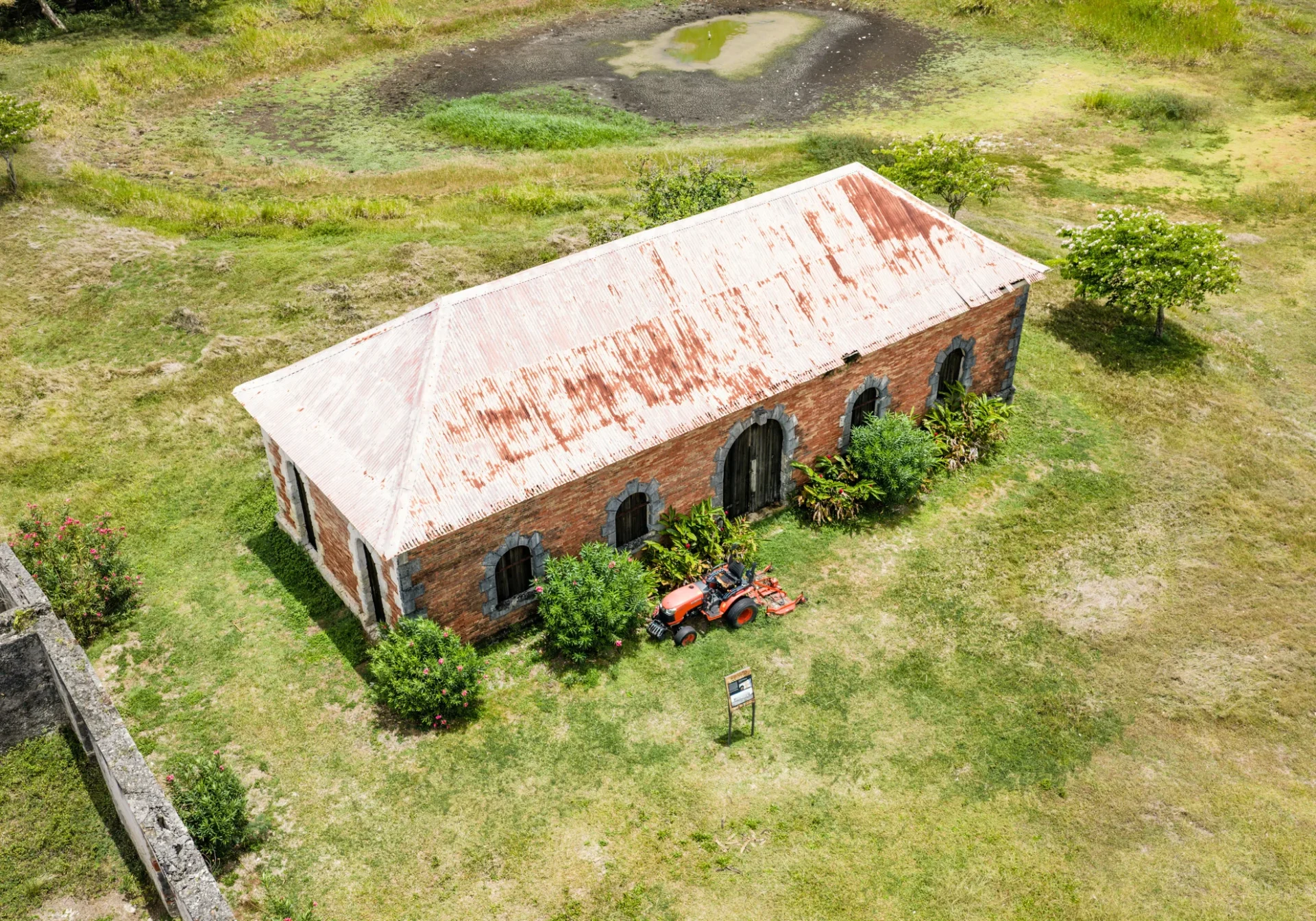
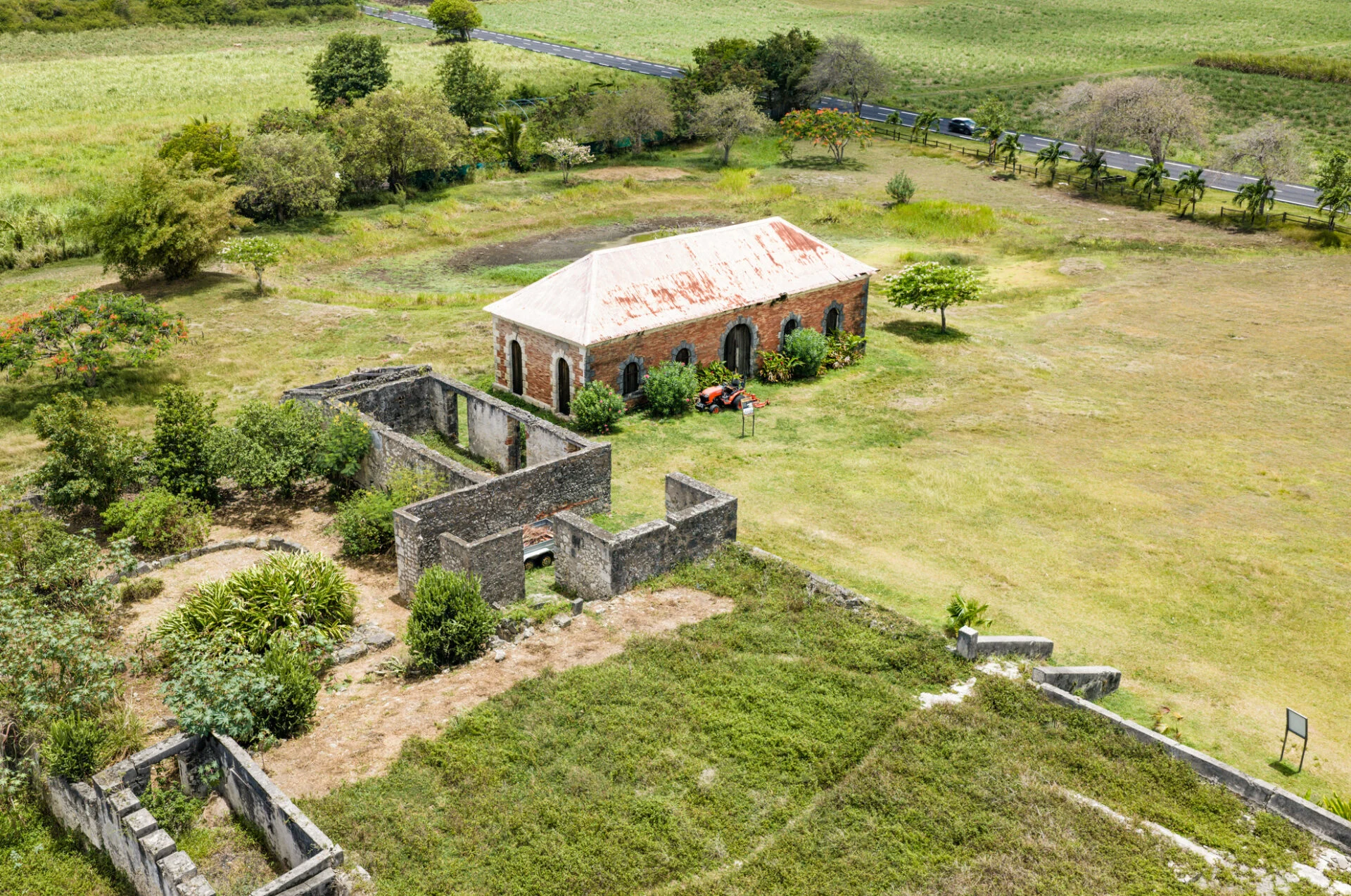
Built of stone and brick, the former stable bears witness to the estate’s exceptional architectural quality and the skill of the era’s masons, carpenters, and stonemasons.

The builders’ craftsmanship

Both the quality of the cut stone and the craftsmanship of the masons, carpenters, and stonemasons demonstrate the excellence of the construction techniques used at Roussel-Trianon.

Every building tells a story that is as much human as it is architectural.

Reading the stones, understanding the site

Three major structures still shape the estate’s silhouette today.

Preserving an outstanding heritage

Preserving Roussel-Trianon is far more than just restoring buildings. It is about passing down techniques, trades, memory, and a heritage that tells the story of Marie-Galante.
The work undertaken today will preserve the site’s authenticity while preparing to hand it down to future generations.